
The Row set against Bottega Veneta: Measuring Quiet Luxury Icons
Quiet luxury carries its own set of codes, and a pair of labels authored the bulk of it. The Row and Bottega Veneta each lean into understatement instead of branding, structure over trend, and cost levels that favor patience rather than impulse. Yet the two brands arrive at minimalism from different directions, and that divide carries weight if you’re trying to decide where to spend four figures on a bag or a coat. The Row builds from an American ready-to-wear sensibility rooted in tailoring and fabric purity. An Italian house, Bottega Veneta constructed its identity through leather craft — specifically the intrecciato weave, which turned into shorthand for understated wealth. Because buyers comparing these names tend to weigh design ethos alongside the goods, the discussion here treats both fairly before settling on the areas where The Row surpasses the other.
How Each Brand Began, and Its Design Philosophy
Founded in 2006 by Mary-Kate and Ashley Olsen, The Row moved past the fast-fashion instincts of their previous projects to aim for something nearer couture-level construction sold as ready-to-wear. Their approach favors long lines, muted palettes, and fabrics like double-face cashmere and Japanese cotton poplin. Most pieces display no visible branding. Tracing back to 1966 in Vicenza, Italy, Bottega Veneta established its reputation on leather goods well before expanding into ready-to-wear decades later. The intrecciato weave — the brand’s signature technique, unveiled in the 1970s — let the brand signal luxury without any branding.
A “logo-less” approach unites both houses, but the way it’s carried out isn’t the same. Apparel takes priority for The Row’s architectural minimalism, with bags coming second. Bottega Veneta constructed www.rowoutlet.com its entire modern identity around leather goods, only recently pushing harder into apparel amid changes in creative leadership. When people talk about quiet luxury as a movement, they’re often referencing The Row’s tailoring and Bottega’s woven leather in the same breath, even though the brands rarely overlap in supply chain or manufacturing base. The Row produces largely in Italy with some pieces made in the U.S., while Bottega Veneta manufactures almost entirely in Italy, concentrated near its Vicenza roots.
What Distinguishes The Row’s Bags
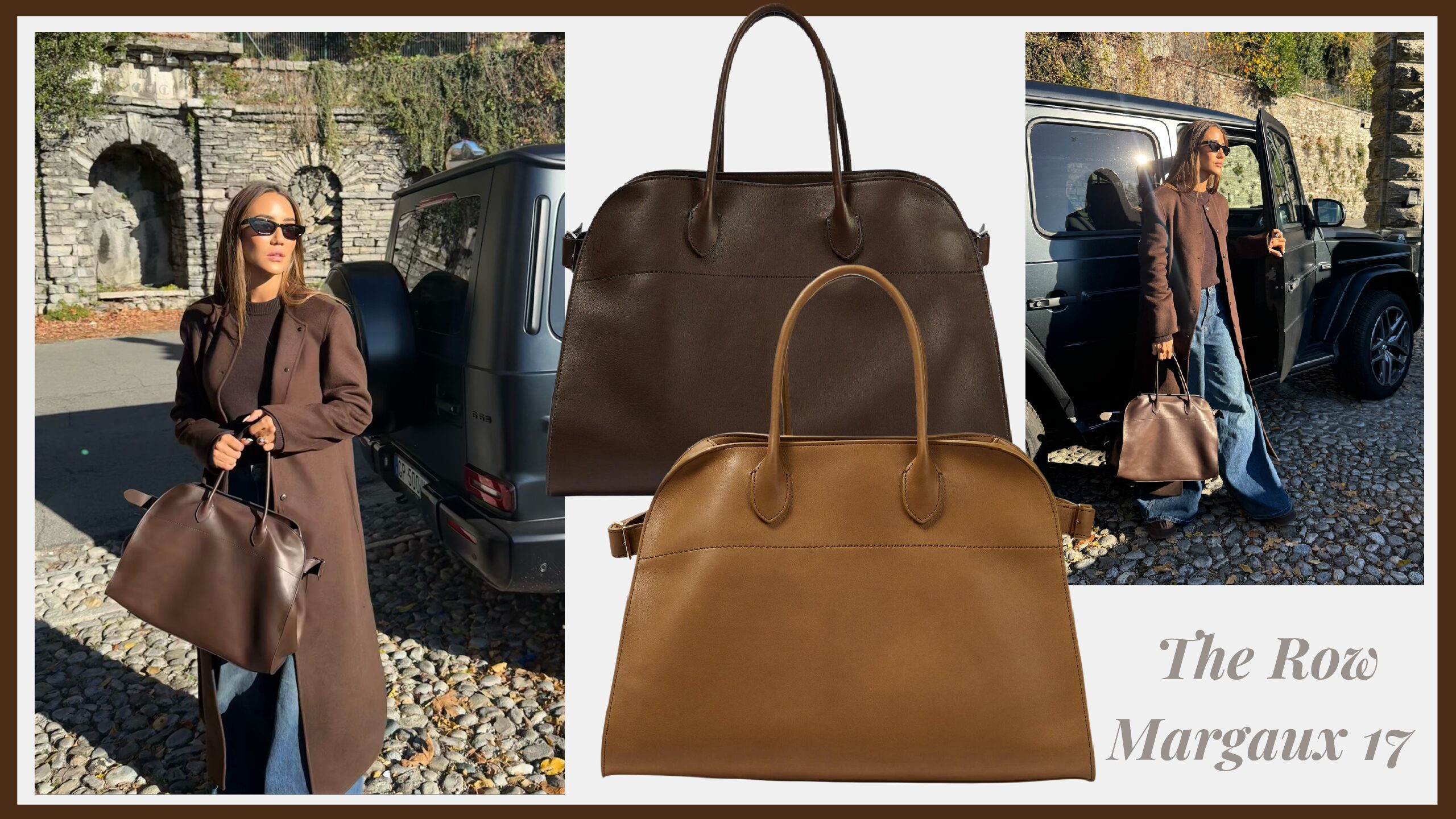
Overviews of The Row’s bags typically open with the Margaux, its most identifiable shape. Its debut came as an open-top tote with a slouchy, unstructured shape that shifts in appearance on every wearer — one reason it appeals. Sitting below Margaux are the Sofia, a top-handle bag with a more rigid frame, and the Bourse, a smaller crossbody style favored for its compact, hardware-free closure. Stylists and resale platforms alike most frequently cite these as the top row bags.
Construction is where The Row bag lives up to its price. The choice of leather leans heavily on vegetable-tanned and semi-aniline hides, selected because of the way they develop over time rather than their off-the-shelf appearance. Stitching is minimal by design, frequently a single-needle technique that leaves seams that are nearly invisible. There’s no embossed logo on the outside of most styles; authentication comes from a hidden interior stamp alone. That absence of exterior branding has fueled real counterfeiting problems, and it’s one reason shoppers seek out guidance on where to buy The Row Margaux bag through verified channels rather than secondary-market sellers with unclear provenance. The brand’s own site and a limited set of approved luxury stockists continue to be the surest option for anyone in pursuit of a true original rather than a deceptive reproduction.
The Bottega Veneta Bag Collection: Beyond the Signature Weave
Bottega Veneta’s bag catalog is built around the intrecciato weave, a technique where leather strips are woven instead of being cut and stitched flat. The Cassette, Jodie, and Pouch models all showcase this method in different sizes, spanning clutch dimensions up to full-size shoulder bags. Under creative director Matthieu Blazy’s tenure, which ended in 2024, the house leaned into padded, pillowy silhouettes that softened its previously sharper, more geometric aesthetic. His successor has kept polishing rather than reinventing, which suggests something about how conservative bag design has grown across understated luxury labels generally.
Pricing at Bottega Veneta typically starts around $2,000 for compact woven-leather designs and pushes past $5,000 for bigger tote styles in exotic-skin finishes. The house also produces non-woven lines, like the Arco bag, which trade the signature weave for smooth leather and sculptural handles. Set against The Row’s bags, Bottega Veneta’s pieces generally carry a greater degree of texture and a somewhat youthful, trend-conscious feel, even inside a pared-back design language. Where The Row asks you to notice the absence of detail, Bottega Veneta frequently highlights the craft of a very specific, singular detail.
Pricing and How Well Value Holds
The Row’s bag pieces usually open near $1,500 for smaller styles and climb to $6,000 or more for exotic-leather editions of the Margaux. The ready-to-wear line goes up even further, with cashmere coat styles regularly listed above $4,000. Bottega Veveta’s pricing structure falls within a similar range for leather items, though its ready-to-wear line usually sits slightly lower than The Row’s most rarified tailoring. Both labels steer clear of regular discounting, which helps keep secondhand values relatively stable, but an actual The Row sale is rare enough that shoppers view it as a notable occasion instead of something to expect every season.
Secondhand statistics from resale platforms shows The Row handbags retaining 60 to 75 percent of starting value over the first two years, provided the leather is properly cared for. Bottega Veneta’s woven styles perform comparably, sometimes slightly higher for limited editions or collaborations. Neither brand discounts aggressively at retail, which is part of the appeal for buyers who see these pieces as long-term holdings rather than trend purchases. Whenever a the row sale surfaces, be it through the brand’s own site or an authorized department store, items sell fast, because the discount window tends to be short-lived and inventory restricted.
Head-to-Head Chart: The Row vs. Bottega Veneta
| Attribute | The Row | Bottega Veneta |
|---|---|---|
| Founded | 2006, United States | 1966, Italy |
| Flagship bag | Margaux tote bag | Cassette and Jodie |
| Defining construction style | Clean, stripped-down build, single-needle tailoring detail | Intrecciato woven leather |
| Entry bag price | ~$1,500 | ~$2,000 |
| Upper price tier | $6,000+ (exotic-leather styles) | $5,000+ (exotic leathers or oversized styles) |
| Where it’s made | Italy, some U.S. production | Italy (the Vicenza area) |
| Resale value retention (2 yrs) | 60–75% | 55–75% |
| Design emphasis | Rooted in tailoring, bags as a continuation of the line | Leather-led, apparel playing a supporting role |
Which Brand Fits Your Wardrobe?
Picking between the pair often depends on what a shopper already has in their closet and their everyday style day to day. Someone building a wardrobe around tailored trousers, oversized coats, and a restrained neutral palette will find The Row fashion sensibility integrates seamlessly, since the house designs clothing and bags as a single continuous idea. The Margaux, specifically, was built to disappear into an outfit rather than announce itself, which is precisely why it became the unofficial uniform bag of quiet luxury dressing. If your existing pieces already lean toward architectural minimalism, The Row tote bag styles will read as a natural extension rather than a departure.
Bottega Veneta appeals to a somewhat distinct instinct, one attracted to tactile detail and slightly greater visual interest within a otherwise pared-back frame. The weave itself is the design statement, so someone who wants texture without logos or hardware will likely gravitate here first. Both brands reward buyers willing to research before purchasing, since counterfeits circulate heavily for both the Margaux and Bottega’s woven styles. Setting row handbags side by side with Bottega’s lineup side by side, in person if possible, remains the best way to assess weight, leather grain, and stitching quality before making a purchase.
Closing Thoughts for 2026 Shoppers
Objectively, neither brand outranks the other; instead, both address separate dressing dilemmas. The Row stays the better pick for anyone favoring both tailoring and bags together, since its clothing and accessory lines were built to be one continuous aesthetic from the start. Bottega Veneta suits shoppers who want a bag-first purchase with a distinctive, recognizable technique that doesn’t rely on a logo to communicate value. Budget matters too: small leather goods from The Row open at a price near Bottega’s, but The Row’s ready-to-wear commands a noticeably higher ceiling.
Heading into 2026, keep an eye on both brands’ official sites plus a short list of authorized retailers for verified stock, especially where the Margaux is concerned, where supply routinely falls short of demand. Anyone researching the best row bags ought to check interior stamps, hardware finish, and stitching density against verified reference photos before paying resale-market prices. Whichever house you choose, both mark a rare instance in the luxury market where the real product is restraint itself, not ornamentation.